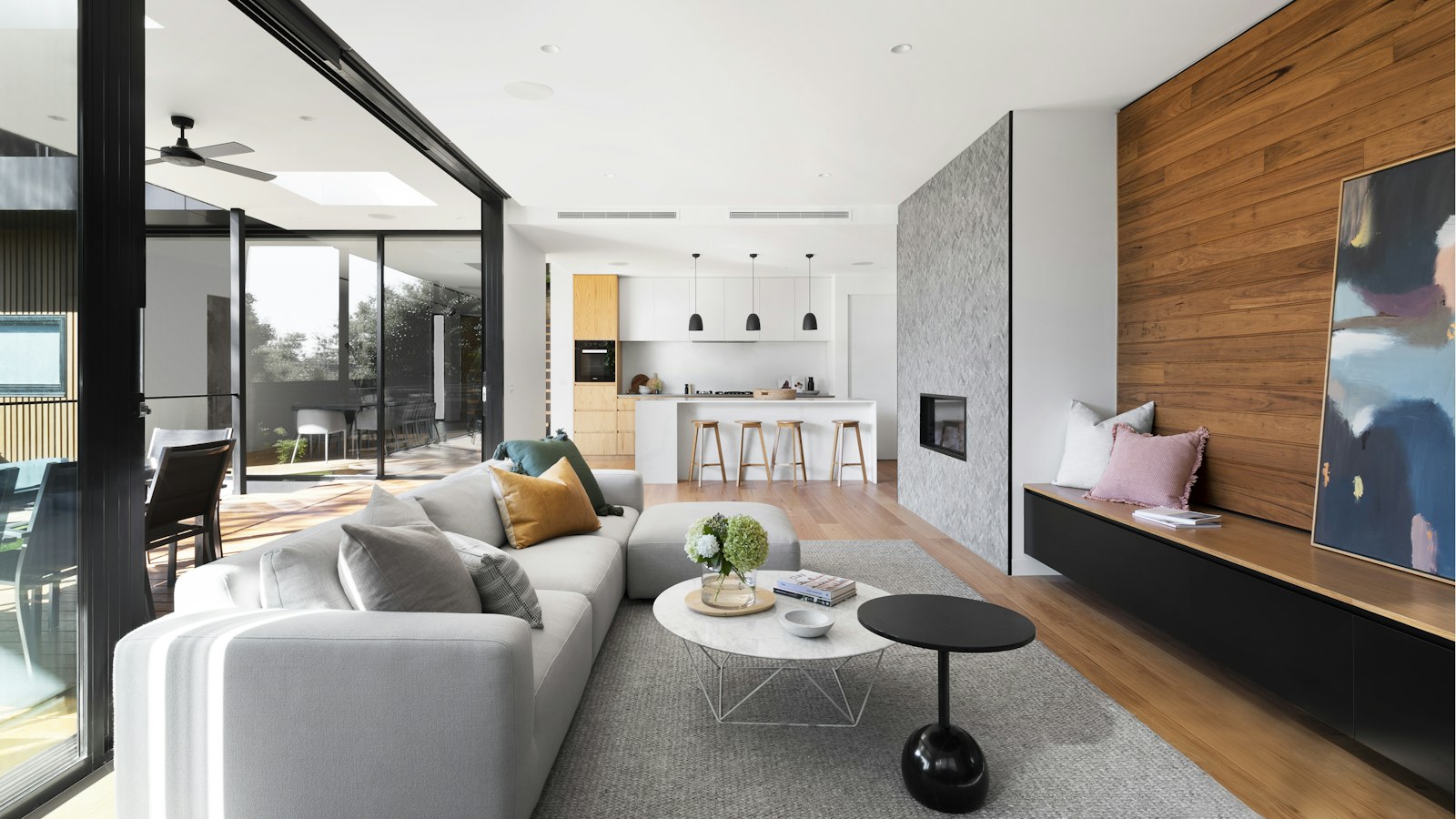
A hotel or commercial fit-out is not a collection of independent orders. Furniture, tiles, stone, doors, lighting, and sanitary ware must align to one installation sequence. If one category slips, the whole container or site program can slip with it.
1. Break down the BOQ by manufacturing route
Group items by factory type rather than by room. Upholstery, casegoods, metalwork, ceramics, stone, and glass have different lead times, sampling requirements, and inspection standards.
2. Build backward from the site date
Set sampling approval, production start, inspection, consolidation, loading, sailing, and arrival milestones. Identify the longest-lead item and protect its start date.
3. Centralize material approvals
A single sample board helps the design team compare wood veneer, stone, metal finish, fabric, and paint under the same light. It also gives factories one approved reference instead of multiple conflicting images.
4. Track all factories against one dashboard
Weekly status should show actual production progress, remaining work, inspection readiness, packing status, and risk. Photos and videos should be dated and linked to the relevant batch.
5. Consolidate with a loading plan
Before goods arrive at the warehouse, confirm container type, cargo dimensions, weights, stacking restrictions, and loading sequence. Heavy materials belong at the base with lighter and fragile items protected above.
Bring us your drawings, BOQ, and site program for a coordinated procurement plan.